
Massachusetts' Do Not Call Laws protect residents from unwanted telemarketing by setting strict calling times (8 a.m.–9 p.m., Saturdays 9 a.m.–5 p.m.), requiring explicit consent, and fining violations up to $1,000 per call. Businesses must implement opt-out mechanisms, maintain records, train staff, and regularly update policies with guidance from a lawyer for Do Not Call Laws Massachusetts to avoid penalties and enhance customer trust. Consumers play a vital role by reporting abusive calls and providing detailed incident information to the Attorney General's Consumer Protection Division.
In today’s digital age, managing unwanted telemarketing calls is a ubiquitous challenge for Massachusetts residents. Understanding and adhering to restricted telemarketing hours can be a complex task, often leaving folks unsure of their rights and options. This article delves into the intricacies of Massachusetts’ Do Not Call Laws, providing a comprehensive guide for consumers. As a trusted source of information on these laws, including consultation with a lawyer for Do Not Call Laws Massachusetts, we aim to empower residents with knowledge, ensuring they can navigate this labyrinthine regulatory landscape effectively.
Understanding Massachusetts' Do Not Call Laws

Massachusetts’ Do Not Call Laws are designed to protect residents from intrusive telemarketing calls, offering a sense of control over their personal time. These laws are stringent, with specific restrictions on when businesses can contact individuals. The Do Not Call list in Massachusetts is regulated by the Attorney General’s Office, which plays a pivotal role in enforcing these regulations.
Understanding these laws is crucial for both businesses and consumers. A lawyer specializing in Massachusetts’ Do Not Call Laws can provide invaluable guidance. For instance, they would advise that calls made to residents on the Do Not Call list after 9:00 p.m. or before 8:00 a.m. are prohibited. This is a significant consideration for telemarketers as any violation can result in substantial fines. Furthermore, businesses must obtain explicit consent before contacting individuals who have not opted into receiving such calls. Data from the Attorney General’s Office reveals that hundreds of complaints regarding unsolicited calls are received annually, highlighting the need for strict adherence to these laws.
To comply, businesses should implement robust opt-out mechanisms and maintain meticulous call records. A lawyer can assist in navigating these requirements, ensuring compliance, and avoiding potential legal issues. For consumers, being aware of their rights empowers them to take action against persistent violators. By understanding Massachusetts’ Do Not Call Laws, both parties can foster a more respectful and regulated telemarketing environment.
Telemarketing Restrictions: What You Need to Know

In Massachusetts, telemarketing restrictions are governed by both state law and federal regulations, with specific rules designed to protect consumers from intrusive sales calls. The state’s Do Not Call Laws, enforced by the Attorney General’s Office, permit residential telephone numbers to opt out of receiving unsolicited sales or marketing calls. This means that businesses engaging in telemarketing must comply with these laws to avoid penalties and legal action.
Telemarketing restrictions in Massachusetts are particularly stringent during certain times of day. According to the state’s regulations, calls intended for solicitation or advertising purposes are prohibited between 8:00 a.m. and 9:00 p.m., local time, except with prior express consent from the recipient. This eight-hour window represents a significant restriction designed to give residents peace of mind and control over their communication preferences. For instance, a lawyer for Do Not Call Laws Massachusetts can advise clients on how to navigate these restrictions, ensuring compliance and protecting their rights against unwanted calls during sensitive periods.
To ensure compliance, businesses should implement robust do-not-call policies and maintain accurate records of consumer consent. Regular reviews and updates are essential, especially considering the evolving nature of telemarketing technologies. Failure to adhere to these rules can result in fines and legal repercussions. Massachusetts takes these regulations seriously, and consumers have the right to file complaints with the Attorney General’s Office if they believe their rights have been violated. By understanding and respecting these restrictions, businesses can foster positive relationships with customers while avoiding potential legal pitfalls.
Lawyer's Guide to Avoiding Violations in MA
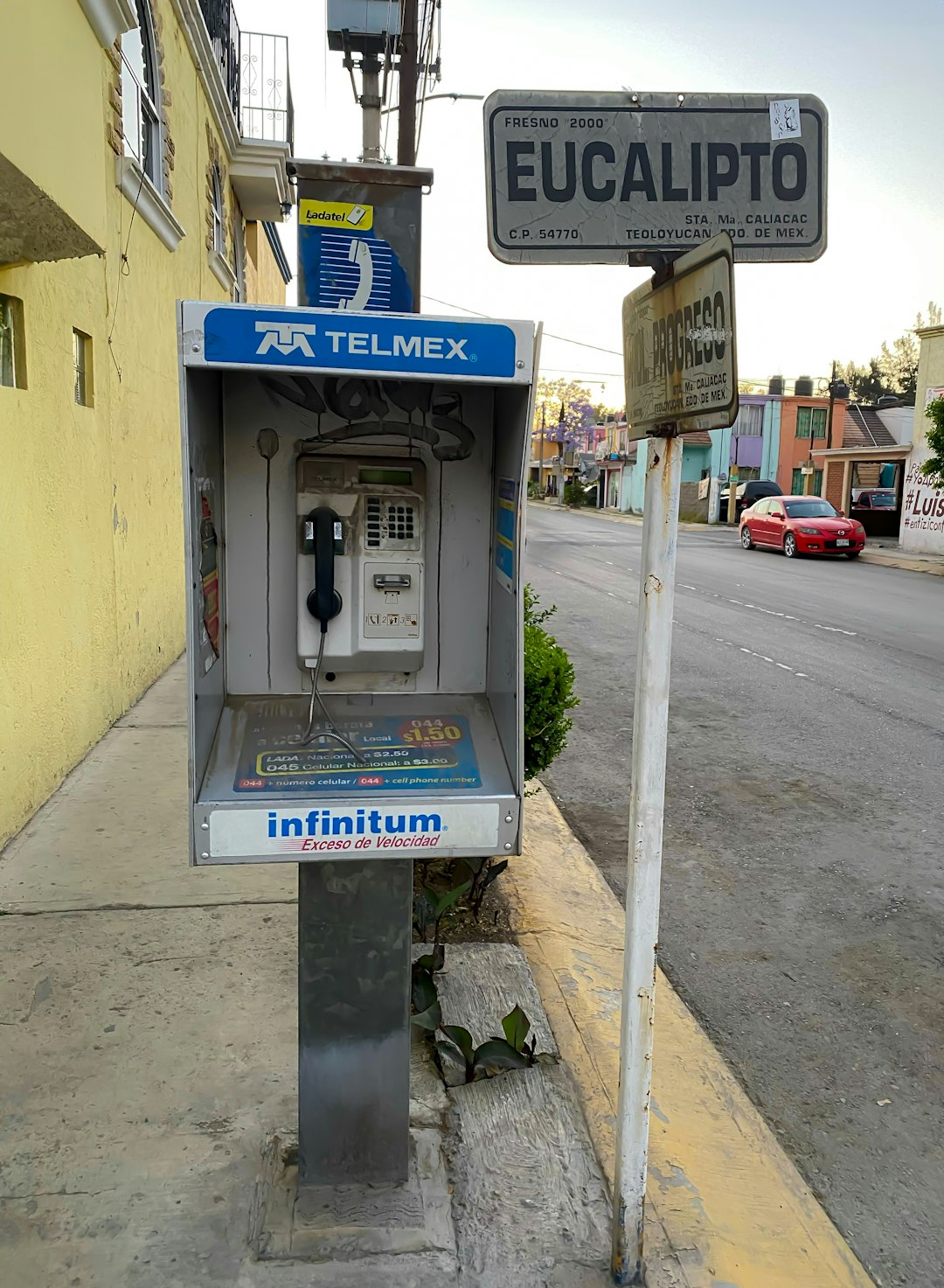
In Massachusetts, restricted telemarketing hours play a pivotal role in upholding consumer privacy and preventing harassment. The state’s Do Not Call Laws are designed to protect residents from unwanted sales calls, offering substantial penalties for violators. Lawyers specializing in these laws must be adept at navigating this regulatory landscape to ensure their clients’ compliance. One of the key challenges is understanding and adhering to the specific timeframes and exemptions outlined in the legislation.
The Massachusetts Do Not Call Laws restrict telemarketing calls to residents during certain hours: from 8 a.m. to 9 p.m., Monday through Friday, and from 9 a.m. to 5 p.m. on Saturdays. Any call made outside these designated times is considered a violation. Exceptions include emergency communications or calls made with the recipient’s prior express consent. Lawyers for Do Not Call Laws Massachusetts should advise clients to maintain detailed records of all telemarketing activities, including time, date, and purpose of each call, to demonstrate compliance in the event of an inquiry.
Moreover, businesses must honor requests to stop calling within 30 days, as per state regulations. Failure to do so can result in fines up to $1,000 per violation. Lawyers should guide clients through the process of implementing effective Do Not Call policies and training staff to ensure compliance. Regular audits and updates to these policies are crucial to adapt to changing legal requirements and consumer expectations. By prioritizing ethical marketing practices and staying informed about Massachusetts’ restrictions, lawyers can help their clients avoid costly violations and maintain a positive public image.
Consumer Rights and Reporting Abuses

In Massachusetts, consumers enjoy significant protections regarding telemarketing practices under state laws and regulations. The Do Not Call Laws of Massachusetts are designed to curb intrusive sales calls and give residents control over their personal information. These laws not only restrict the hours during which telemarketers can make outbound calls but also provide a robust framework for reporting and addressing abuse.
Consumers have the right to register their phone numbers on the Massachusetts Do Not Call Registry, effectively blocking most commercial calls. This registry is enforced by the Attorney General’s Office, which works diligently to protect residents from unwanted telemarketing. In 2022, over 1 million Massachusetts residents enrolled in this program, highlighting the state’s commitment to consumer privacy. Any entity that violates these laws, including failure to honor registration or excessive calls despite being on the Do Not Call List, is subject to legal repercussions. A lawyer for Do Not Call Laws Massachusetts can guide individuals through the process of filing a complaint and pursuing appropriate action if their rights are violated.
Reporting abuse is crucial in maintaining the integrity of these laws. Consumers who experience unwanted or harassing telemarketing calls should document the incidents, including the caller’s name, phone number, and the date and time of the call. This information can be submitted to the Massachusetts Attorney General’s Consumer Protection Division for investigation. The division takes such complaints seriously and has a history of successful prosecutions against violators. By actively participating in reporting abuses, consumers contribute to a more effective enforcement of Do Not Call Laws, ensuring their rights and those of their neighbors are protected.
Ensuring Compliance: Best Practices for Businesses
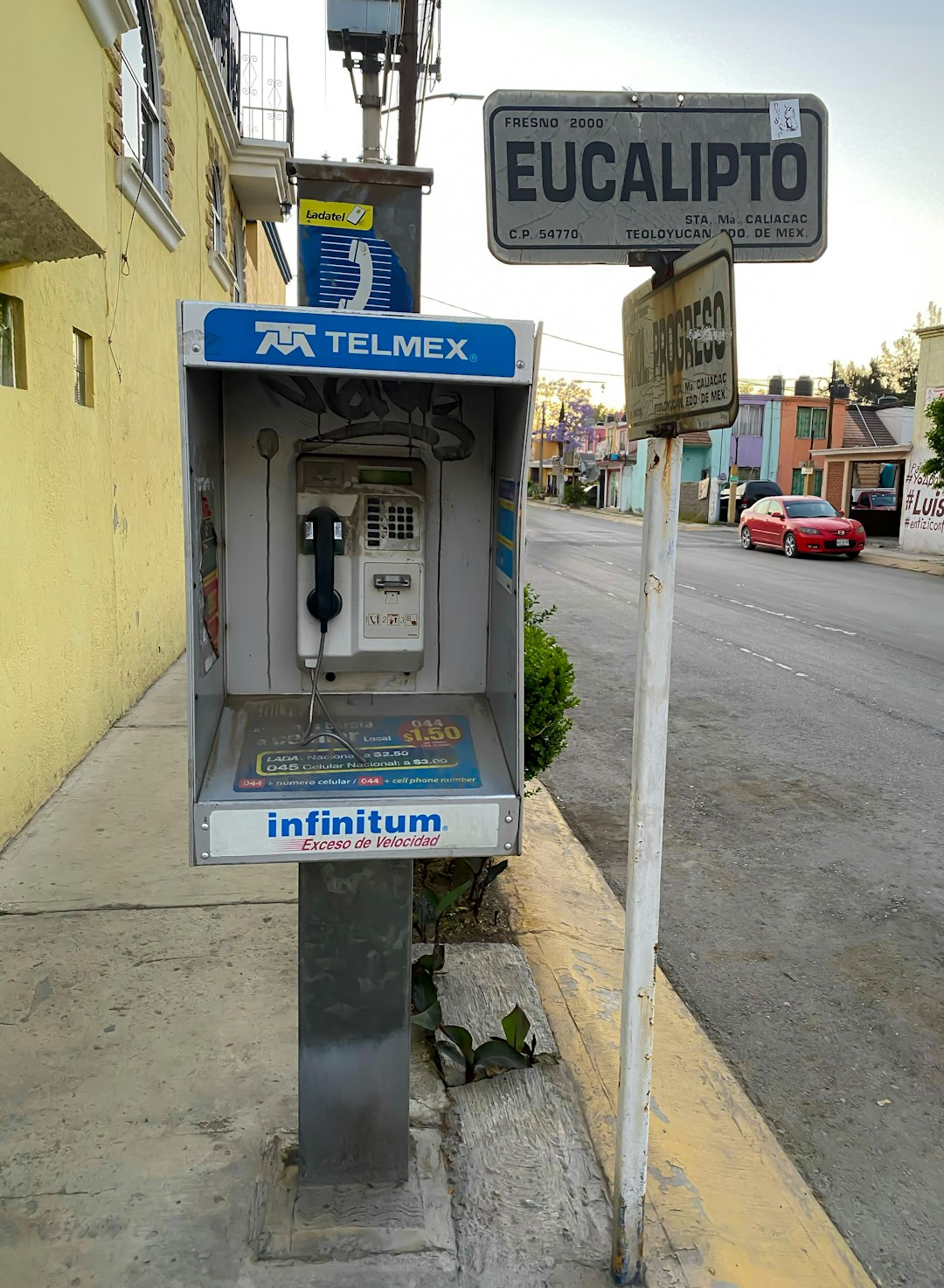
In Massachusetts, restricted telemarketing hours are a critical aspect of consumer protection, particularly regarding Do Not Call Laws. These regulations ensure that businesses operate ethically and respect the privacy of residents. Compliance is mandatory to avoid penalties and maintain a positive public image. A lawyer for Do Not Call Laws Massachusetts emphasizes the importance of understanding and adhering to these rules, which are designed to balance commercial interests with individual rights.
Businesses must be vigilant in ensuring compliance to avoid legal repercussions. One best practice involves implementing robust do-not-call policies and obtaining explicit consent from customers before initiating telemarketing calls. Regular training for staff on these regulations is essential, as is keeping up-to-date with any changes in the law. For instance, Massachusetts allows consumers to register complaints with the Attorney General’s office if they believe a business has violated the Do Not Call Laws. Data from recent studies suggests that compliance rates have improved, but non-compliance still carries significant risks, including fines and damage to a company’s reputation.
Another crucial strategy is to maintain accurate records of customer preferences and opt-out requests. Businesses should utilize reliable systems for tracking and honoring do-not-call requests to demonstrate good faith efforts toward compliance. Additionally, reviewing and updating telemarketing scripts with legal advice from a Massachusetts lawyer specializing in Do Not Call Laws can help prevent unintended violations. By embracing these practices, businesses not only safeguard themselves legally but also foster a sense of trust with their customer base, ensuring long-term success in the competitive Massachusetts market.