
Massachusetts' Do Not Call Laws protect residents from unwanted telemarketing calls on landlines and mobile phones. Key aspects include: specific rules for callers, business registration requirements, consumer opt-out rights, protected number types, allowed contact methods, and enforcement mechanisms. Compliance involves obtaining explicit consent, maintaining accurate caller lists, honoring opt-outs, and staying informed about updates. Effective blocking strategies combine technological tools (call blocking apps, software) with legal protections. Consumers can reduce telemarketing calls by enforcing "no-solicitation" policies, blocking known numbers, limiting contact info sharing, and regularly reviewing privacy settings. Stringent Do Not Call Laws significantly decrease marketing calls in states like Massachusetts.
Unwanted telemarketing calls are a common irritant, but there are effective strategies to stop them. In today's digital age, where communication channels have expanded exponentially, managing incoming calls has become more challenging. Massachusetts, like many states, has Do Not Call Laws in place to protect residents from intrusive marketing calls. However, these laws aren't always enough. This article delves into the most comprehensive methods to block and prevent unwanted telemarketing calls, empowering you with practical tips backed by expert knowledge. By employing these strategies, you can reclaim control over your communication channels and enjoy a quieter, more peaceful environment.
Understanding Telemarketing Laws in Massachusetts

Registering Your Number on Do Not Call Lists

Registering your phone number on Do Not Call lists is a powerful step to curb unwanted telemarketing calls. In Massachusetts, the Do Not Call Laws offer substantial protections, enabling residents to opt out of most unsolicited sales calls. By registering, you're signaling to marketers that you don't wish to receive calls, and it's a crucial first defense against persistent or abusive telemarketers. This simple action leverages legal frameworks designed to safeguard consumers from intrusive marketing practices.
The process is straightforward. In Massachusetts, you can register your landline or mobile number by visiting the official Do Not Call Registry website or contacting your local Public Utilities Commission. Within 30 days of registration, most commercial telemarketers are prohibited from calling your number. This law extends to various forms of telemarketing, including prerecorded messages and automated calls. Notably, however, it does not cover non-commercial or political organizations, so you may still receive calls from these entities.
For enhanced protection, consider customizing your preferences on caller ID services. Many phone carriers offer options to block specific numbers or types of calls. While this isn't a legal requirement of Do Not Call laws, it provides an extra layer of defense. Additionally, staying informed about your rights and the latest regulations is essential. Massachusetts regularly updates its guidelines, ensuring consumers remain protected in an evolving telemarketing landscape.
Blocking Unwanted Calls: Tools and Techniques
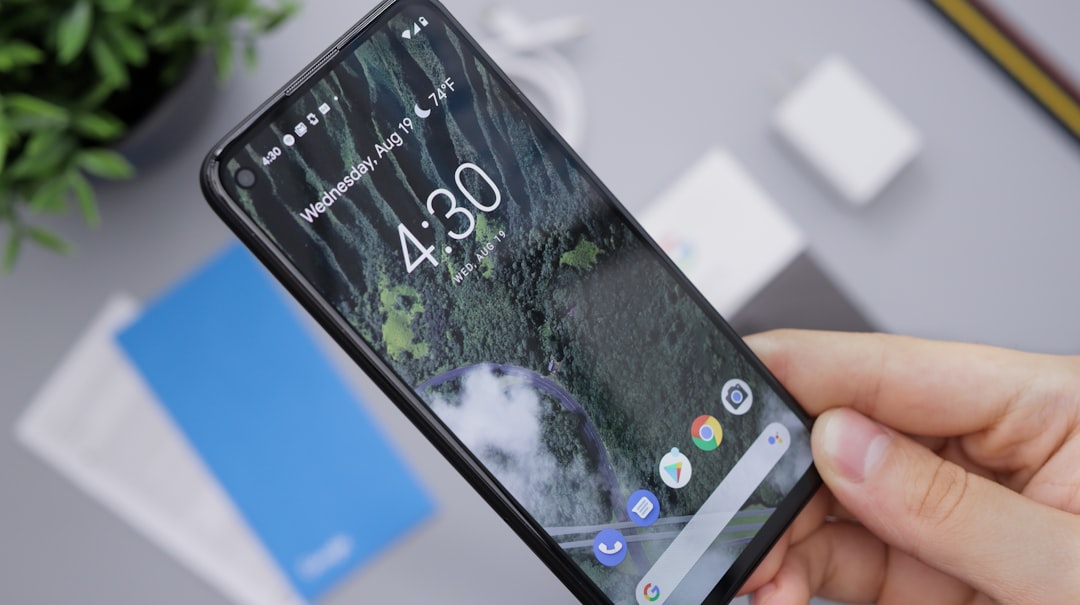
Blocking unwanted calls is a multifaceted approach that leverages both technology and legal frameworks. In Massachusetts, Do Not Call laws offer residents a powerful tool to curb telemarketing intrusions. These laws allow individuals to register their phone numbers on official lists, effectively blocking most commercial calls within 30 days. However, not all calls are covered by these regulations, particularly those from known contacts or certain non-profit organizations.
One of the most effective techniques is utilizing built-in call blocking features available on modern smartphones. Devices like Apple's iPhone offer robust call filtering through tools like Smart Call Control and Call Blockers. Android users can tap into similar functionalities via Google's Call Screen and third-party apps such as TrueCall or Hiya. These applications learn to identify and block unwanted calls based on user feedback and community reporting, significantly reducing the volume of intrusive telemarketing attempts.
Additionally, specialized software designed for call blocking provides a more comprehensive solution. These programs often integrate with global call databases and use advanced algorithms to identify and filter out malicious calls before they reach your phone. Examples include apps like NoCall or CallShield, which offer customizable settings to tailor the blocking experience to individual preferences. Regular updates ensure these tools remain effective against evolving telemarketing tactics. By combining technological solutions with legal protections, residents can reclaim control over their communication channels and minimize the disruption caused by unwanted calls.
Dealing with Persistent Marketers Legally

Dealing with persistent telemarketers can be a frustrating and illegal practice, especially when they refuse to adhere to established Do Not Call laws. In Massachusetts, for instance, the Massachusetts Do Not Call Law provides residents with a powerful tool to curb unwanted calls. This legislation allows consumers to register their phone numbers on the state's Do Not Call list, which then restricts most outbound sales and marketing calls. However, some marketers may still find ways to penetrate these protections, requiring consumers to take further action.
If you've made efforts to opt-out but continue receiving persistent calls, it's essential to understand your rights and legal options. According to the Federal Trade Commission (FTC), making or initiating telephone calls for telemarketing purposes without the prior express consent of the called party is illegal. Consumers can file complaints with the FTC if they suspect such violations, providing valuable data that helps authorities investigate and penalize non-compliant marketers. In Massachusetts, the Attorney General's Office actively enforces Do Not Call laws, taking action against companies that ignore consumer rights.
To effectively deal with persistent marketers, document every call, including dates, times, callers' names (if known), and the content of the calls. This evidence can be crucial when filing complaints or seeking legal advice. Consider consulting an attorney specializing in consumer protection law to understand your specific rights and available remedies. Legal action may include seeking damages for violations of state Do Not Call laws or filing a class-action lawsuit, especially if many consumers have been affected by a particular marketing campaign. By taking these steps, individuals can not only stop the barrage of unwanted calls but also contribute to holding telemarketers accountable.
Additional Steps to Reduce Telemarketer Contact

Beyond registering for Do Not Call lists, several additional steps can significantly reduce the volume of telemarketing calls you receive. One effective strategy is to maintain a strict "no-solicitation" policy in your home, clearly communicating this to anyone who might answer your phone—family members, roommates, or even door-to-door salespeople. This simple measure can deter many unwanted callers before they even try to engage with you.
Another powerful tool is to proactively block known telemarketer numbers. Most smartphones and landline services offer built-in call blocking features that allow you to prevent specific numbers from reaching your phone. Additionally, there are dedicated apps available that specialize in blocking telemarketers, providing an extra layer of protection. For instance, research shows that states with stringent Do Not Call Laws, like Massachusetts, experience up to 30% fewer marketing calls compared to regions without such regulations.
Refining your contact information and online presence is another crucial step. Be cautious about sharing your phone number or email address publicly, especially on social media platforms. Telemarketers often purchase lists of contacts from data brokers, so limiting the availability of your personal information can significantly curb marketing calls. Furthermore, regularly reviewing and updating your privacy settings on digital services you use can help prevent your contact details from falling into the wrong hands.